
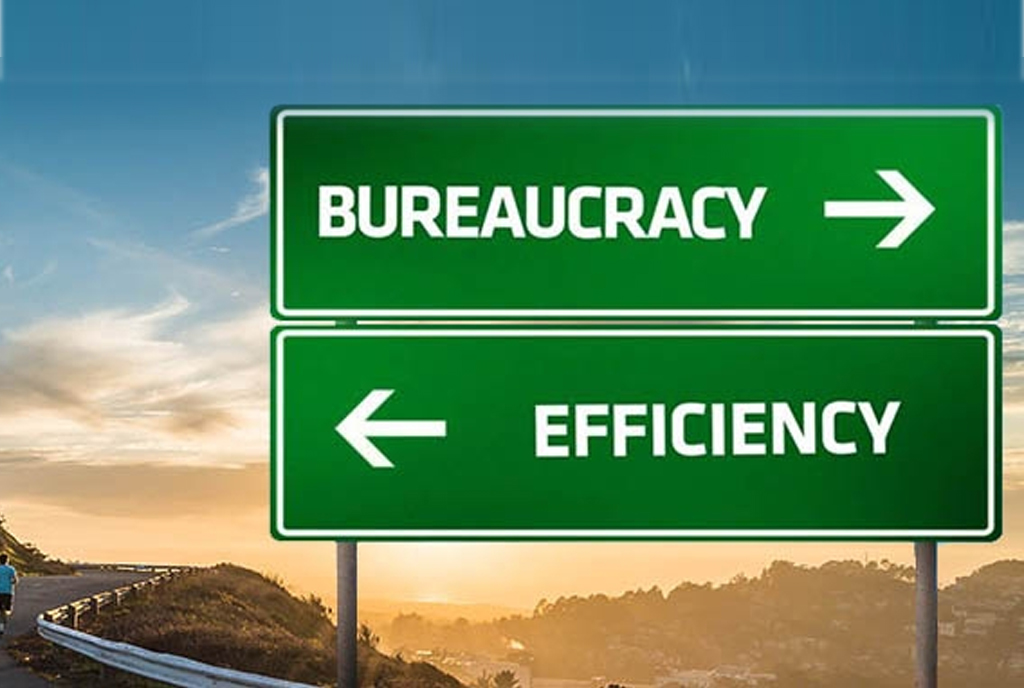
Presiding over a meeting of the Task Force on Civil Service Reforms, Prime Minister Imran Khan reiterated his resolve to depoliticize bureaucracy and insulate it "from all kinds of political pressures". There is no doubt about his intent to make civil service efficient and responsive to public needs. Whereas the other two parties, the PML-N and the PPP were fine with business as usual, he initiated his reform plan soon after coming to power, setting up the task force early last September, headed by a veteran professional, former governor of the State Bank of Pakistan Dr Ishrat Husain. The team includes several individuals previously associated with the civil service, hence, the reform effort is unlikely to meet with resistance from within the bureaucracy. It is expected to make wise recommendations for structural reforms.
The difficult part, as several cases on this government's watch have shown, would be insulating civil servants from political pressures. The PM had appointed the former IG police Khyber Pakhtunkhwa, Nasir Khan Durrani, highly respected for making police reforms in that province, as head of the Punjab Committee on Police Reforms and Implementation. But Durrani did not last long. He resigned due to political interference - something he was mandated to stop - when the Punjab government prematurely transferred IG police Mohammad Tahir for not following its instructions. Similarly, DPO Multan was meted out rough treatment for accosting a politically influential individual. Things in other departments have not been any better. At least in two instances, district administration officials wrote letters to authorities concerned, complaining about ruling party legislators putting pressure on them for the transfer or posting of officers to their liking. Instead of admonishing those who intervened in the conduct of official business, the PM felt it necessary to chide the complainants, telling them they should have gone through the 'proper channel'. Later, Information Minister Fawad Chaudhry came out in defence of the legislators, saying the bureaucrats were bound to respect elected representatives. Since the elected representatives are in the habit of seeking postings and transfers of police and revenue officers in their home towns for personal purposes, that meant their interests were to take precedence over public interest.
Clearly, detaching bureaucrats from political pressures is easier said than done. In fact, alluding to the problem, the PM said the political class also needs to be trained to deal with the changing times. If this class can get into the assemblies and make laws that are supposed to serve the greater public good, they surely are aware what they should or shouldn't do. They are not going to change their ways unless they are made to change. That depends on the will of the government to effectively implement its task force's recommendations. Actions must speak louder than words.